Turbinate Reduction

Breathe easier with minimally invasive treatment for chronic nasal congestion and obstruction.

Targeted treatment to reduce nasal obstruction and improve everyday breathing.

Request Appointment

Fill out the form and we'll contact you shortly

    Award
    Award
    Award
    Award
    Award
    Award
    Award
    Award
    Award
    Award
    Award
    Award
    Award
    Award
    Award
    Award

    What Is Turbinate Reduction?

    Turbinates are structures inside the nose that help filter, warm, and humidify the air you breathe. When they become enlarged due to inflammation, allergies, or irritation, they can block airflow and make breathing difficult.

    Turbinate reduction is a procedure that reduces the size of enlarged turbinates while preserving their natural function, helping restore normal airflow through the nose.

    Request Appointment

    Who Is a Candidate?

    You may be a candidate if you experience chronic nasal congestion, difficulty breathing through the nose, or symptoms that have not improved with medication or non-surgical treatment.

    Patients with turbinate hypertrophy due to allergies, sinus inflammation, or structural abnormalities may benefit from turbinate reduction, especially when symptoms interfere with sleep or daily activities.

    Request Appointment

    What Symptoms Can Treatment Improve?

    Chronic nasal congestion
    Difficulty breathing through the nose
    Post-nasal drip
    Snoring or sleep-related breathing issues
    Reduced airflow affecting daily comfort
    How sinus surgery works

    Treatment Options

    Treatment often begins with medication to reduce inflammation and address underlying causes such as allergies or sinus conditions.

    If symptoms persist, turbinate reduction may be recommended as a minimally invasive solution to improve airflow while preserving nasal function.

    Request Appointment

    Procedure and Recovery

    Turbinate reduction is typically performed using minimally invasive techniques inside the nostrils, meaning no external incisions are required.

    The procedure may be performed under local or general anesthesia, depending on the case. Tissue inside the turbinate is reduced using specialized instruments or energy-based techniques to improve airflow.

    After the procedure, patients may experience temporary congestion. Most return to normal activity within a short period, with gradual improvement in breathing as healing progresses.

    Benefits At a Glance

    Minimally invasive with no external incisions
    Improves airflow and nasal breathing
    Reduces chronic congestion and obstruction
    Preserves natural turbinate function
    Can improve sleep quality and reduce snoring
    Short recovery time

    Why Choose Dr. Zadeh

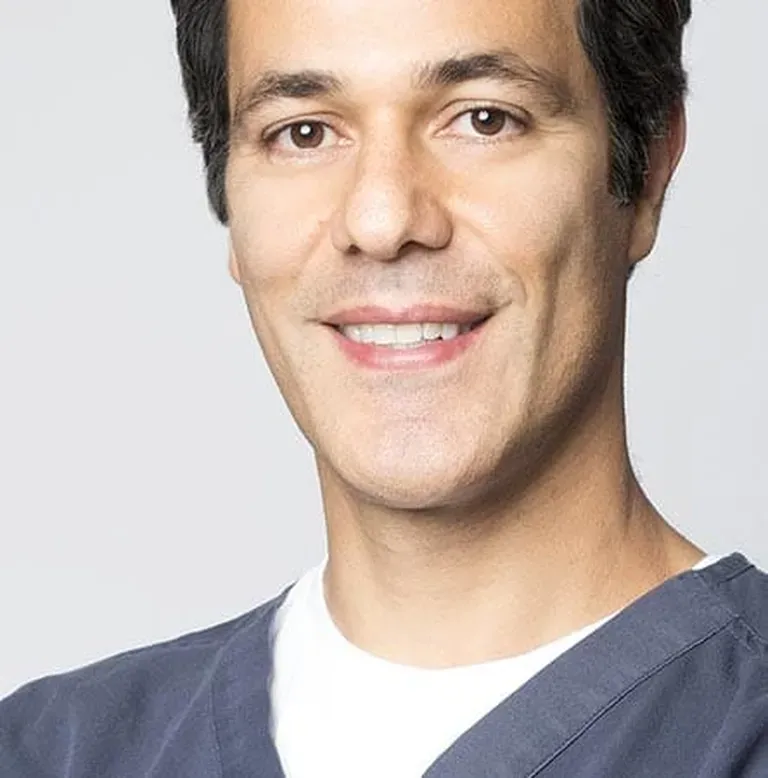
    Dr. Zadeh is a Board-Certified, Sinus Specialist. known for his minimally invasive, precision-based approach to nasal and sinus conditions.

    He focuses on identifying the root cause of nasal obstruction rather than applying temporary fixes. Using advanced diagnostic tools and image-guided techniques, he develops individualized treatment plans designed to improve breathing while preserving normal nasal function.

    When turbinate reduction is recommended, it is performed conservatively to reduce obstruction without over-removal of tissue, helping maintain long-term nasal health.

    Patients choose Dr. Zadeh for his detailed evaluations, surgical precision, and focus on lasting results.


    What Our Patients Say

    Frequently Asked Questions

    What are turbinates?
    Turbinates are structures inside the nose that help filter, warm, and humidify the air you breathe.
    Is turbinate reduction a surgery?
    It is a minimally invasive procedure performed inside the nose without external incisions.
    Will it improve breathing?
    Yes. The goal is to reduce obstruction and improve airflow through the nose.
    How long is the recovery?
    Most patients return to normal activity within a short period, with gradual improvement as healing continues.
    Will the turbinates grow back?
    In some cases, swelling may return depending on underlying conditions, but treatment is designed to provide long-term relief.

    Breathe Better, Live Better